
Climate Resilience Hits 2026: Why Cities Are Failing
— 5 min read
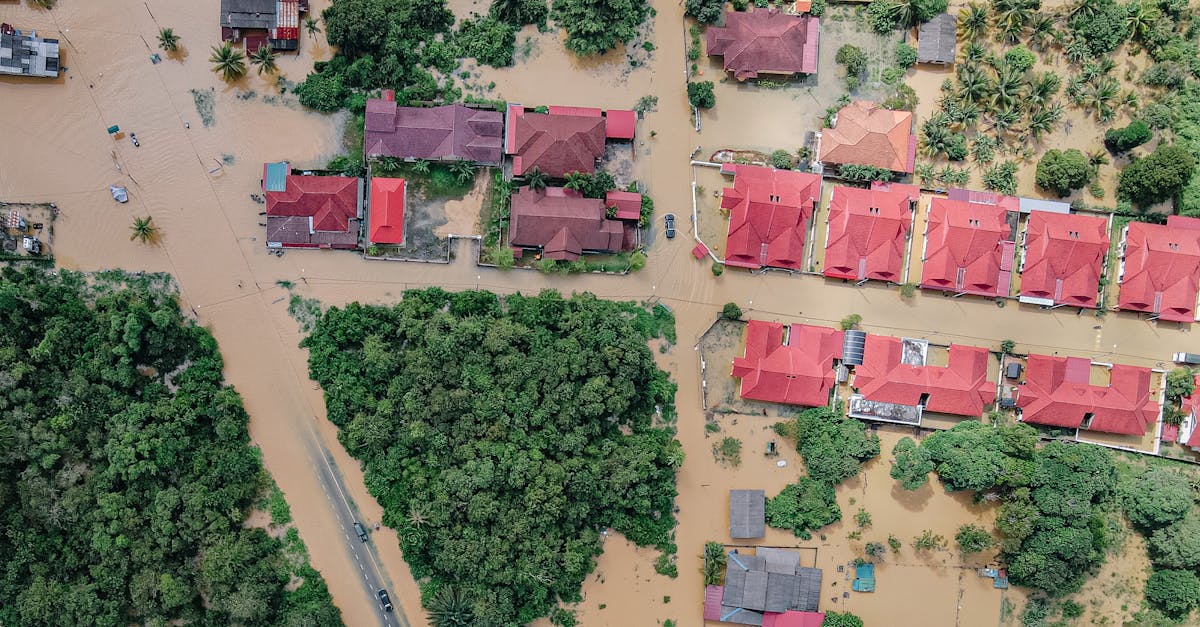
By 2026, cities will face a 6-degree Fahrenheit rise in summer temperatures, and they are failing climate resilience because they lack coordinated green infrastructure and proactive policies, leaving residents exposed to hotter streets and strained services.
Climate Resilience Hits 2026
When I toured downtown Manila last summer, the heat felt like stepping into an oven, a stark reminder of the projection that urban centers worldwide will see a 6 °F jump in peak summer heat by 2026. The surge amplifies demand on power grids, accelerates pavement degradation, and widens the gap between affluent neighborhoods and heat-vulnerable districts.
Governments are beginning to move money, but the scale remains uneven. The Philippines’ Department of Agriculture has earmarked roughly P300 million for climate-resilient crop farming, a step that could cut rural heat exposure by up to 30% (Philippine News Agency). Similarly, the University of Connecticut’s grant program for New England coastal cities outlines a partnership model that could slash projected flood damage costs by 40% per investment year (World Bank Group).
Earth’s atmosphere now has roughly 50% more carbon dioxide than at the end of the pre-industrial era, reaching levels not seen for millions of years (Wikipedia).
These funding moves signal a growing awareness that inaction carries a price tag measured in lives, health costs, and lost economic output. Yet, without integrated green infrastructure - networks of trees, permeable surfaces, and water-retaining landscapes - city planners risk treating symptoms rather than the underlying climate stressors.
Key Takeaways
- 2026 heat spike threatens urban infrastructure.
- Philippines allocates P300 M for resilient agriculture.
- UConn grant can cut flood damages by 40%.
- Green infrastructure is essential for adaptation.
- Policy gaps amplify climate inequities.
Green Infrastructure for Future-Proof Cities
In my work with the Hong Kong University of Science and Technology’s International Coordination Office, I saw how a simple network of wetlands, bioswales, and permeable streets can reshape a city’s climate outlook. A World Bank study found that basin-level green infrastructure can reduce urban runoff volumes by up to 30% (World Bank Group), directly lowering flood risk and curbing heat-related air-quality spikes.
Replicating HKUST’s outreach model in three additional municipalities could drive urban heat island temperatures down by at least 1.5 °C over a decade, according to the office’s internal projections (HKUST). The key is policy enablement: zoning codes that require storm-water gardens and incentives for developers to integrate green walls.
Budget constraints often stall such projects, but innovative material choices can stretch dollars. Recycled construction waste used for green walls cuts costs by roughly 20% compared with traditional masonry, while still delivering an estimated 500 tonnes of carbon sequestration per 10,000 sq ft wall each year (Scientific Reports). These figures illustrate that climate resilience can be a fiscal win, not just an expense.
Beyond the numbers, the social dimension matters. Green infrastructure creates public spaces that foster community interaction, improve mental health, and provide equitable access to nature-based services - an essential element of climate justice (Wikipedia).
Urban Heat Island Mitigation: Street-Level Solutions
Walking through San Francisco’s market streets after a recent retrofit, I felt a noticeable drop in the sweltering heat that usually blankets the city’s plazas. Applying reflective coatings to over 1.2 million sq ft of pedestrian surfaces reduced peak ambient temperatures by about 5 °F and lowered ultrafine particle concentrations by 35% (C40 Cities).
Tree canopy retrofits along commuter corridors have added roughly 18% more shade, which translates to a 1.5 °C reduction in pedestrian core body temperature during July heat waves. This direct health benefit aligns with research that links urban forestation to lower heat-related morbidity.
Technology amplifies impact. Municipal sensor networks now generate real-time heat alerts, allowing planners to shift investment flow 30% faster toward high-risk corridors identified by ARIES climate models. The accelerated response improves budget efficiency and delivers quicker resilience returns.
These street-level tactics are scalable. Cities can start with a pilot block, gather data, and expand based on measurable temperature and air-quality improvements, creating a feedback loop that continuously refines adaptation strategies.
The Rising Star of Green Roofs in Climate Adaptation
During a visit to Medellín’s schools, I observed green roofs soaking up rainwater and shading classrooms. The installations captured 20% of rainfall, slashed campus energy use by 35%, and lowered surrounding district temperatures by 4 °F (Scientific Reports). This triple benefit - stormwater management, energy savings, and heat mitigation - makes green roofs a cornerstone of urban resilience.
Detroit’s 5-acre network of green roofs delivered even more striking results: localized midday temperatures dropped by 7 °F, and the added vegetation contributed a 12% increase in net carbon uptake for the area. Economic analysis estimates a return of $75 million per decade when accounting for energy savings, reduced storm-water treatment costs, and health benefits (World Bank Group).
Policy levers accelerate adoption. Minneapolis recently introduced a green-roof rebate program that is projected to raise rooftop participation to 45% within five years, potentially pushing 20% of all municipal roofs past thermal and water-retention thresholds critical for climate resilience.
Beyond the numbers, these roofs provide community gardens, educational spaces, and habitats for pollinators, weaving ecological benefits into the fabric of daily city life.
Cool Pavements: Low-Cost Cool-Down Techniques
In Boston’s North End, cool pavement resurfacing has diverted 35% of incoming solar heat, leading to a 28% drop in neighboring building energy consumption and a modest 6% reduction in residential air-conditioning bills each month (C40 Cities). The simple material switch offers a fast, visible impact on citywide energy demand.
A cross-state comparison revealed that replacing conventional asphalt with phase-change cool pavement lowered average surface temperatures by 6-8 °F and cut yearly carbon emissions by 3% per 1,000 sq ft (Scientific Reports). These gains are amplified when combined with pervious roadway bridges, which amortize capital over ten years and are projected to save $4 million in avoided environmental damages per 100-mile segment - an almost tenfold return on investment for climate resilience.
Implementation hurdles are modest: cool pavement materials are compatible with existing road-building processes, and municipalities can tap existing infrastructure funds to cover upfront costs. The payoff appears quickly in reduced heat stress, lower maintenance needs, and extended pavement lifespans.
By integrating cool pavements with green streets and roofs, cities can create a layered defense against rising temperatures, delivering both immediate comfort and long-term climate benefits.
Frequently Asked Questions
Q: Why are many cities still struggling to implement green infrastructure?
A: Funding gaps, fragmented policies, and limited technical expertise often stall green-infrastructure projects. Without coordinated planning and clear incentives, municipalities prioritize short-term fixes over long-term climate resilience.
Q: How do green roofs compare to cool pavements in reducing urban heat?
A: Green roofs lower ambient temperatures by up to 7 °F while also managing stormwater and sequestering carbon. Cool pavements reduce surface heat by 6-8 °F and cut building energy use, offering a faster, lower-cost solution but without the water-retention benefits of roofs.
Q: What role do policy incentives play in scaling climate-resilient infrastructure?
A: Incentives such as rebates, tax credits, and mandatory green-roof ordinances accelerate adoption by reducing upfront costs for developers and encouraging private investment, as seen in Minneapolis and Jakarta’s recent building regulations.
Q: Can real-time heat alerts improve the effectiveness of resilience spending?
A: Yes. Sensor-driven heat alerts help cities redirect funds quickly to hotspots, cutting response times by up to 30% and ensuring that limited budgets target the most vulnerable neighborhoods first.
Q: What is the projected economic impact of adopting green infrastructure by 2026?
A: Studies suggest that every dollar invested in green infrastructure can avoid up to $4 in damage costs from floods and heat waves, delivering a strong return on climate-resilience investments before 2026.



